
Leave Your Message
Aluminum Profiles have really become apretty important part of many industries these days. People love them because they're lightweight, durable, and super versatile. If you look at what's happening globally, the market for aluminum profiles is expected to hit around USD 60 billion by 2027—that's a huge number! This growth is mainly fueled by the increasing demand in construction, automotive, and industrial sectors. Now, if you're wondering who's really standing out in this space, Foshan Jiefeng Aluminum Industry Co., Ltd. is a name to remember. They offer a wide variety of products—think aluminum windows, doors, curtain walls, and industrial profiles—all designed to suit different needs.
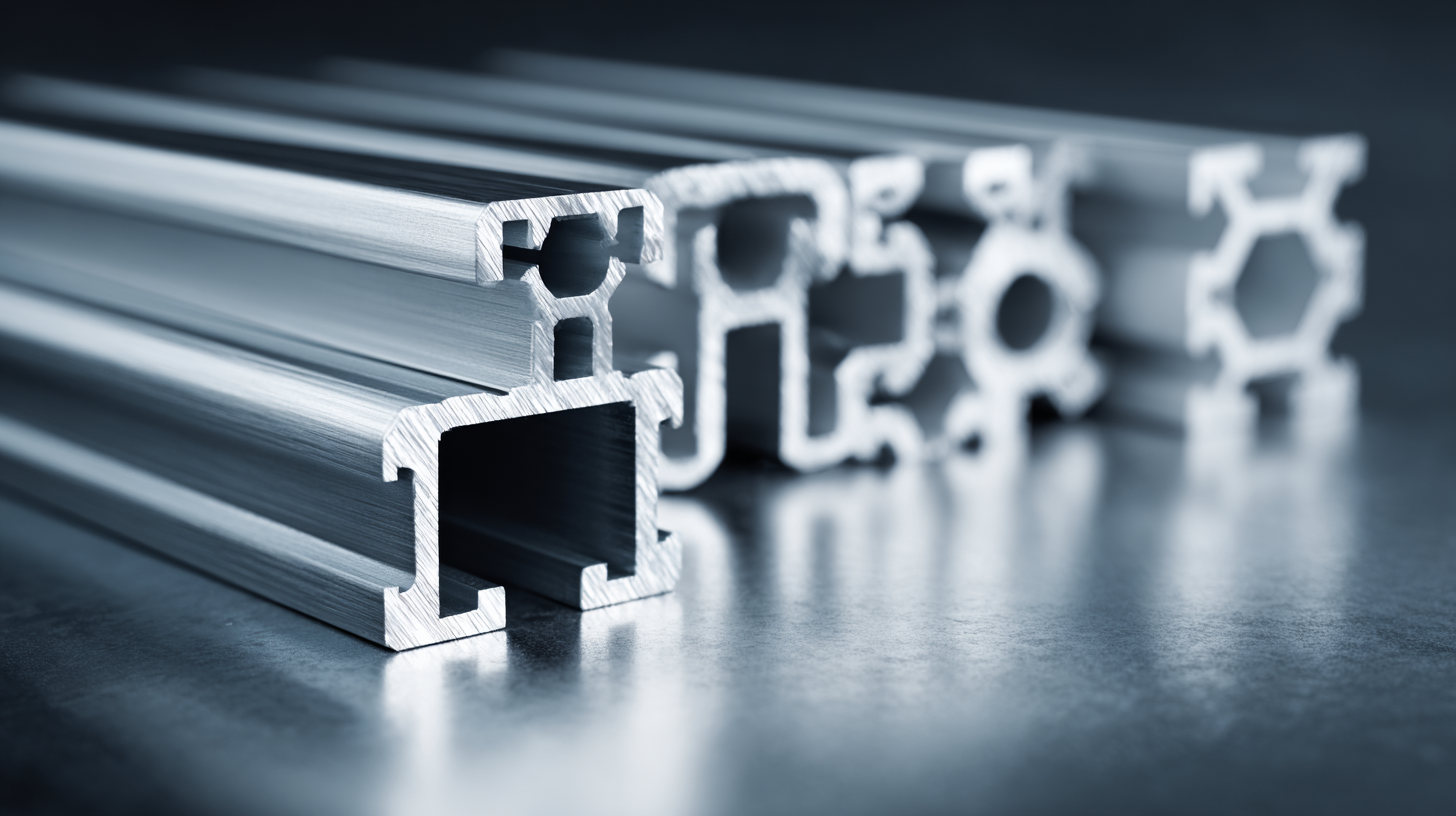
What's cool about Jiefeng is their focus on quality and innovation; they make sure every product not only meets industry standards but also adds something extra to architectural looks and functionality. This whole guide is basically a deep dive into how aluminum profiles are used in all sorts of applications—showing just how flexible and important they’ve become in modern manufacturing and construction.
Aluminum profiles have really become a go-to in modern construction these days, mainly because they come with a bunch of benefits that just fit the industry's changing needs. I read somewhere—thanks to a report by the Aluminum Association—that by 2025, aluminum is expected to make up over 30% of the materials used in building projects. That’s pretty huge! A lot of that growth is due to aluminum being lightweight, which makes it easier to handle and also cuts down on transportation costs. Plus, since it boasts a really high strength-to-weight ratio, architects and designers can make sturdy, reliable structures without sacrificing style or design.
Here at Foshan Jiefeng Aluminum Industry Co., Ltd., we truly get how important aluminum is in today’s construction world. We offer a wide variety of products—think aluminum windows, doors, curtain walls, even industrial profiles—that are built to not just meet, but actually beat, industry standards. Aluminum’s versatility means it can be shaped into all kinds of cool designs, and it resists corrosion pretty well, which is a big plus.
On top of that, it’s recyclable, making it a more eco-friendly choice, something many architects and builders are looking for these days as they aim for green building certifications. As things keep shifting and evolving in the construction scene, the need for top-quality aluminum profiles is only going up. Honestly, they’re likely to stay a key part of projects all around the world.
: Aluminum profiles are primarily valued for their lightweight nature, which enhances efficiency by allowing for easy handling and reduced energy consumption. They maintain strength without unnecessary bulk, making them suitable for industries like automotive, aerospace, and manufacturing.
The lightweight nature of aluminum profiles helps industries reduce energy consumption during production and operation, aligning with sustainability goals while enabling innovative design solutions.
Aluminum profiles feature a natural oxide layer that forms when exposed to air, acting as a protective barrier against oxidation and ensuring a longer lifespan, which minimizes maintenance costs.
In corrosive environments, such as coastal areas, it is advisable to opt for anodized aluminum for added protection against salt and moisture.
The combination of lightweight and exceptional strength in aluminum profiles allows for innovative designs that meet structural integrity requirements while promoting energy efficiency during transport and installation.
Regular inspections are recommended to identify any potential wear in aluminum installations, ensuring they remain safe and effective over time.
Yes, it is crucial to assess the load-bearing requirements of your application to ensure that the selected aluminum profile meets safety standards.
The versatility of aluminum profiles allows them to be tailored for specific strength and rigidity requirements, enabling engineers and designers to create innovative solutions that maximize performance without compromising material qualities.
Aluminum profiles have really become a staple in modern construction these days. They've got so many advantages that honestly make projects run smoother and last longer. One of the best parts? They're super lightweight, which makes them a lot easier to handle and install—definitely saves time and cuts down on labor costs. Plus, thanks to their natural durability and resistance to corrosion, aluminum profiles stand the test of time. That makes them a smart pick for all sorts of architectural and industrial uses.
At Foshan Jiefeng Aluminum Industry Co., Ltd., we’re all about delivering high-quality aluminum profiles for a variety of needs—whether you’re working on windows, doors, or bigger industrial projects. The cool thing? Aluminum’s versatility helps our clients save money in the long run, while also offering great looks and solid performance for a wide range of projects.


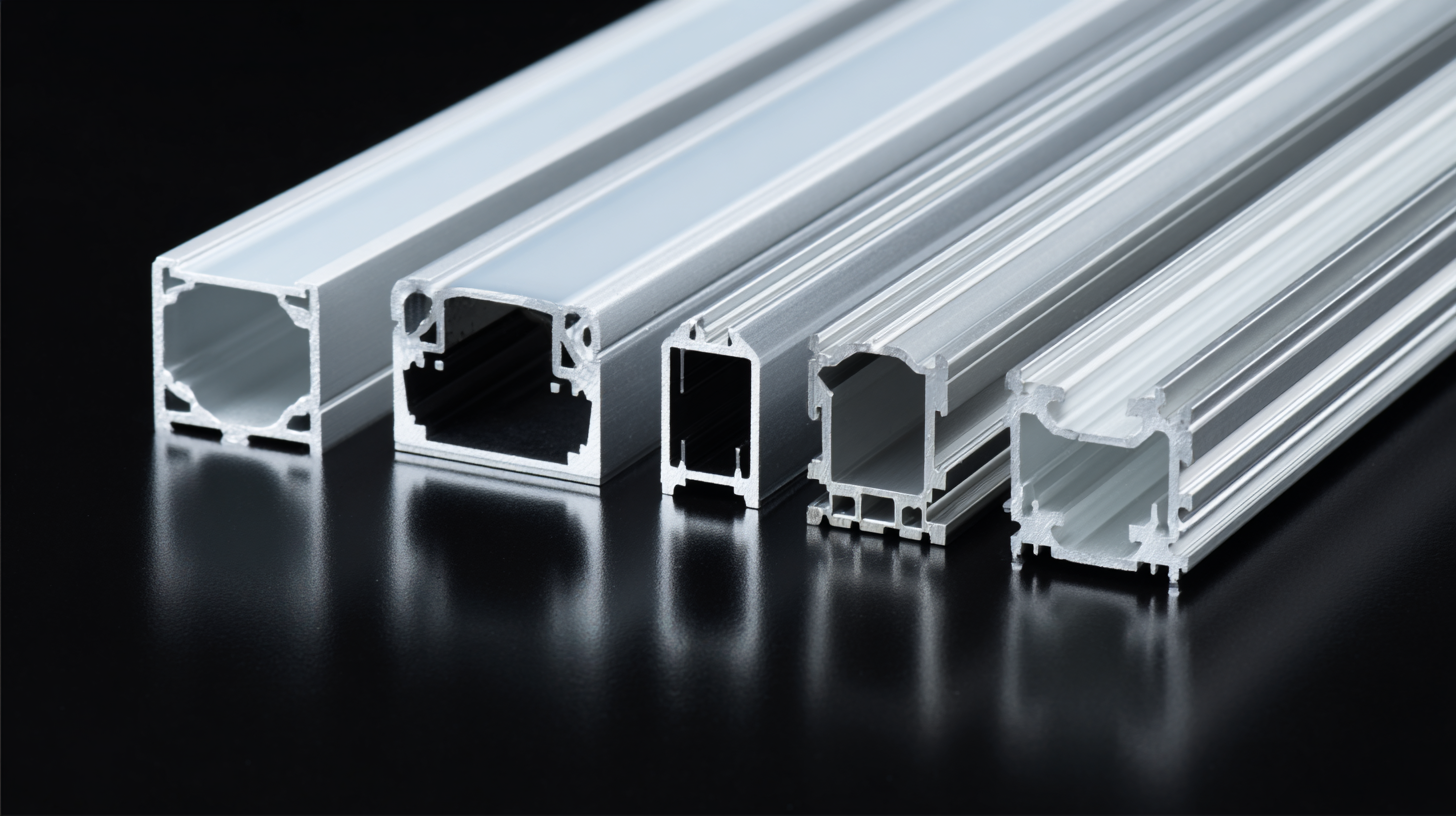 And here’s another thing — aluminum profiles are pretty flexible. You can tweak them to suit different strength and stiffness needs, yet they still stay
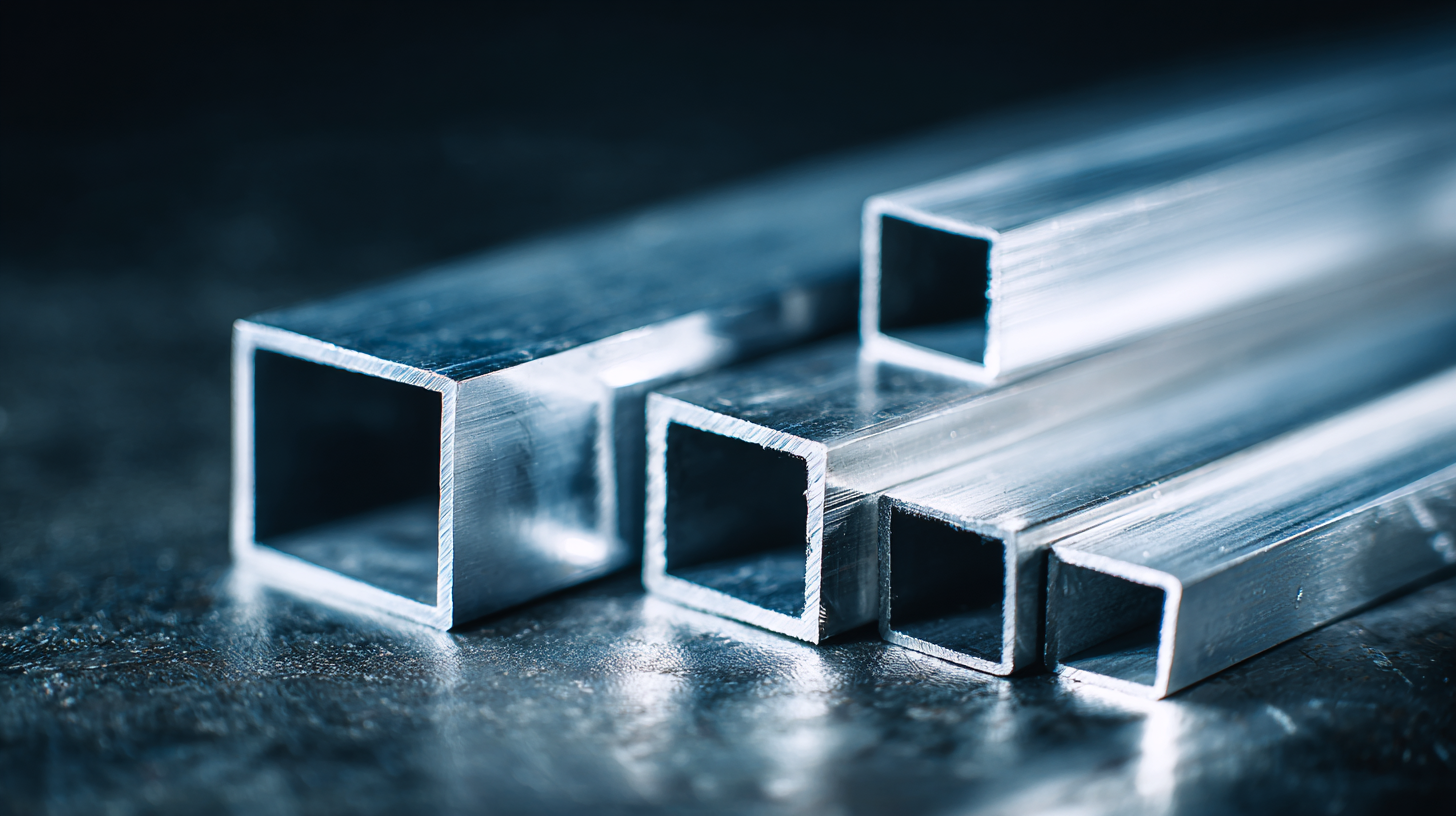 Aluminum profiles are pretty well-known for being tough and resistant to rust, which is why so many industries love using them. When aluminum is exposed to air, it naturally forms this protective oxide layer—that acts like a shield—stopping more corrosion and helping things last longer. Because of this, aluminum profiles not only have a longer lifespan but also tend to save you money on maintenance over time.