Leave Your Message
0%

You know, when it comes to construction and manufacturing, picking the right materials is a big deal. Aluminum Channel Profiles, with their flexibility and durability, have really become a go-to across lots of industries. I recently read that the Aluminum Association predicts a steady annual growth of about 3.3% in demand for aluminum products, mainly because more people are leaning towards lightweight but strong materials for building stuff. Here at Foshan Jiefeng Aluminum Industry Co., Ltd., we’re all about quality — whether it's aluminum windows, doors, curtain walls, or those custom profiles, we’ve got the skills to get it done right. Picking the right Aluminum Channel Profiles isn’t just about looks; it also helps make structures more efficient and long-lasting. So, yeah, it’s a pretty important decision when you're designing and building anything.
How to Choose the Right Aluminum Channel Profiles for Your Project

Understanding Different Types of Aluminum Channel Profiles and Their Applications

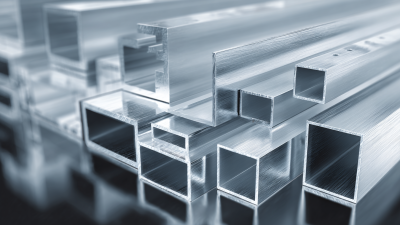
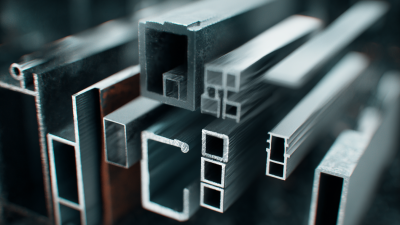
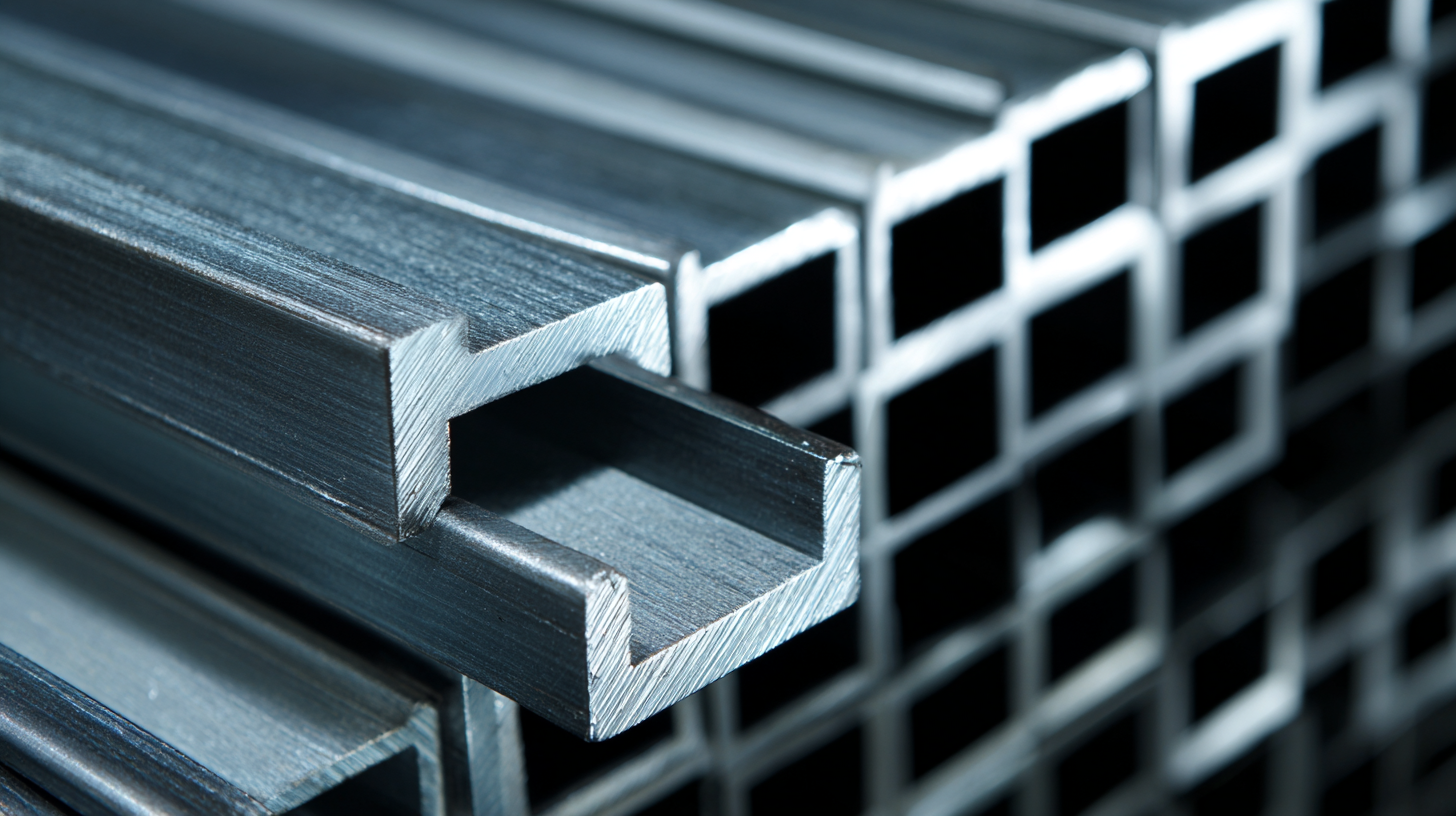
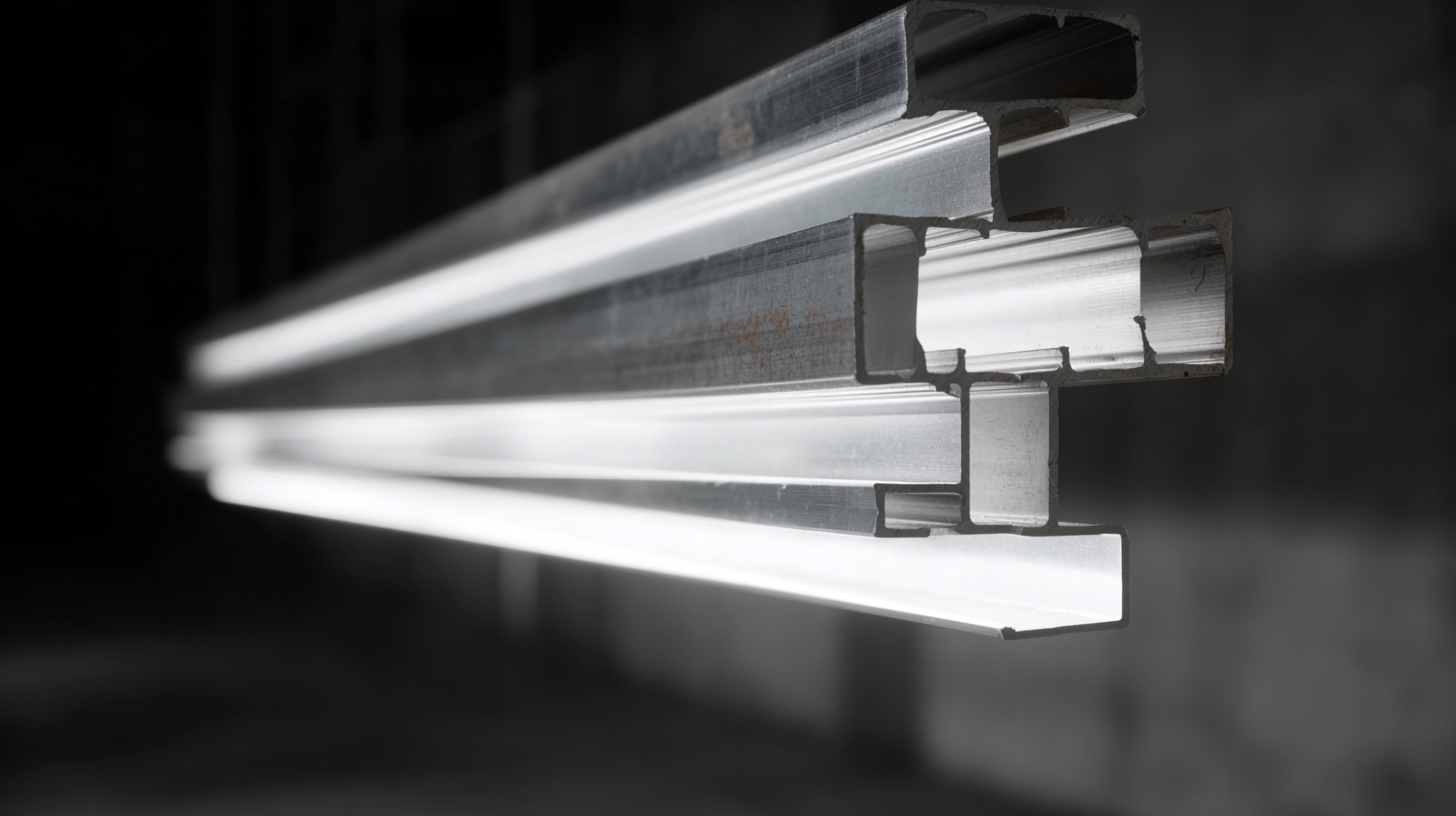
When you're picking out the right aluminum channel profiles for your project, understanding the different types out there and what they’re best used for is pretty important. Aluminum channels come in a bunch of shapes—think U-shaped, J-shaped, and C-shaped profiles—each one suited to different structural needs or just how they look. For example, U-shaped channels are often used for framing or structural support—they're like the backbone, offering solid strength and stability. On the other hand, J-shaped channels are more about decoration, often used in trims or edging, giving a clean, sleek look that really catches the eye.

But it’s not just about the shape. You also wanna think about details like how big the channel is, the thickness of its walls, and the type of alloy. Thicker walls usually mean more durability, which is perfect if you're dealing with heavy-duty stuff like construction or transport. If weight is a concern — say in aerospace or cars — lighter profiles might be the way to go. By matching the right profile to what your project needs, you'll end up with something that works well and lasts longer, no doubt.

Key Factors to Consider When Selecting Aluminum Channel Profiles for Projects

When you're choosing aluminum channel profiles for your project, there are a few key things to keep in mind to make sure you pick the right one. First off, really think about where and how you'll be using it. For example, if it’s going outdoors, you'll want to go for profiles that won’t easily corrode—since they'll be exposed to moisture or rough weather, right?

How to Choose the Right Aluminum Channel Profiles for Your Project

A quick tip: always check the alloy stuff—6061, 6063, whatever. They’ve got different strengths and are better suited for certain jobs. Matching the alloy to what you're doing is pretty much the best way to make sure it performs well.

Another thing? The size and shape of the profile. Think about the weight and structural needs of your project. If you’re dealing with a heavy load, you might need something thicker or sturdier.

Here's a little advice: chatting with a supplier or someone who knows their stuff about materials can really help. They'll guide you on the right size and shape based on your project. And don’t forget—it's worth checking out new product lines too. Sometimes the latest innovationsin Aluminum Profiles are just what you need to get the best results.

The Role of Aluminum Alloy Grades in Channel Profile Selection

When you're picking aluminum channel profiles for your project, it's really important to think about which aluminum alloy grade you're going with. It can totally impact things like how strong it's gonna be, how heavy it is, and how well it resists corrosion. You’ll see common alloys like 6061, 6063, and 6082, each with its own unique traits suited to different uses. For example, 6061 is pretty popular because it has awesome mechanical properties—it's strong and durable, making it a go-to for structural parts in more demanding environments. Plus, it resists rust and welds up nicely, so it's often picked for construction or automotive stuff.

On the flip side, 6063 is usually the favorite when it comes to architectural projects. It gives a really smooth finish and is easy to extrude, which makes it perfect for things like window frames or decorative panels where looks matter. Honestly, knowing the differences between these alloys can make a huge difference when it comes to making sure your project lasts and looks great. So, taking the time to consider what your specific needs are and choosing the right alloy will help your aluminum channels perform well and look good, both now and down the line.

How to Choose the Right Aluminum Channel Profiles for Your Project - The Role of Aluminum Alloy Grades in Channel Profile Selection

Alloy Grade Properties Typical Applications Weldability Corrosion Resistance
6061 Good mechanical properties and weldability Structural components, frames, and automotive parts Good Moderate
6063 Excellent finish and extrudability Architectural applications, window frames, and furniture Good Good
6082 High strength and corrosion resistance Heavy-duty structural applications Moderate Excellent
5052 Good corrosion resistance and weldability Marine environments, automotive fuel tanks Excellent Excellent
3003 Good corrosion resistance, moderate strength Heat exchangers, cooking utensils Good Good

Comparative Analysis of Standard vs. Custom Aluminum Channel Profiles

So, if you're kicking off an aluminum project, one of your first big choices is whether to go with standard profiles or get custom ones made. Standard aluminum channels are pretty much the go-to for quick and straightforward jobs — they come in ready-made shapes and sizes, which makes life easier. Plus, they’re readily available and won’t break the bank, which is a huge plus if you’re on a tight schedule or budget. Since they’re uniform, they tend to fit well with other components, speeding up the assembly process and cutting down on engineering headaches.

Now, on the flip side, if your project needs something a bit more specific, custom aluminum channels might be the way to go. Sure, they usually take a bit longer to get and might cost more upfront, but the flexibility they offer in design can really boost both how your project looks and works. If you’ve got particular size requirements or need something sturdy enough to handle heavier loads, custom profiles let you fine-tune everything to fit your exact needs. Basically, the choice between standard and custom should come down to what your project really needs, your budget, and how soon you need it all done.

How to Choose the Right Aluminum Channel Profiles for Your Project

Cost-Effectiveness and Performance Metrics of Aluminum Channels in Construction

When you're choosing aluminum channel profiles for your construction projects, it’s pretty important to get a good handle on both how cost-effective they’ll be and how they perform. Aluminum channels are really popular because they’re lightweight, resistant to rust and corrosion, and durable enough to handle different kinds of use.

But, figuring out if they’re a smart investment isn’t just about the upfront price — you also want to think about the long-term savings. Less maintenance, a longer lifespan — those things add up and can give you a better bang for your buck over time.

On the performance side, things like tensile strength and how well the material can handle fatigue are big factors to consider — they tell you if that particular profile will hold up in your project. The design needs and specific requirements should guide your choice of profile, since small differences can really impact how sturdy and reliable the final structure is.

By weighing things like load capacities and environmental conditions, you can make smarter decisions that stay within budget but still keep safety and efficiency at the forefront. It’s all about finding that balance, you know?

Revamp Your Spaces: Choosing the Perfect Aluminum Skirting Board and Decorative Board for a Modern Look

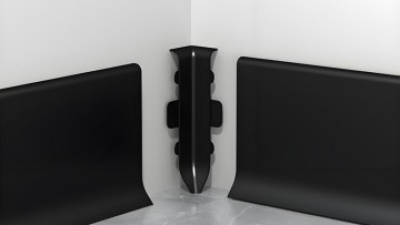
Revamping your home spaces involves more than just furniture and paint; it’s about the details that tie everything together. When it comes to achieving a modern aesthetic, aluminum skirting boards and decorative boards play a crucial role in creating a polished and sophisticated look. These elegantly crafted boards serve as a stylish transition between the wall and the floor, ensuring that any room feels complete and cohesive.

The charm of our aluminum skirting board lies not just in its sleek design, but also in its practicality. This accessory acts as a protective barrier, guarding your walls against scuffs and damage from foot traffic while enhancing the overall spatial style. With its extraordinary finishes and modern detailing, it transforms standard spaces into artful statements that reflect your personal taste. Choosing the right skirting board can elevate the ambiance of any room, adding a touch of luxury and contemporary flair.

Furthermore, decorative boards complement the skirting beautifully by providing a visual frame around doorways, windows, and other architectural features. Together, these elements not only serve functional purposes but also enhance the aesthetic harmony of your interiors. By opting for aluminum materials, you invest in durability and elegance, bringing a modern touch that can adapt to any design theme while ensuring that your home remains timeless and stylish.

FAQS

: What factors should be considered when selecting aluminum channel profiles for a project?

: Key factors include the application's environment, alloy composition, profile size and shape, weight load, and structural requirements.

Why is the alloy composition important when choosing aluminum channel profiles?

Different alloys, such as 6061 and 6063, have varying strengths and are suited for specific applications, making it essential to match the alloy to the project's needs.

How does the intended use of aluminum profiles affect the selection process?

Profiles for outdoor use require good corrosion resistance, especially in environments exposed to moisture or harsh weather conditions.

What role does profile size and shape play in project selection?

The profile's size and shape must accommodate the weight load and structural requirements, with heavier loads requiring sturdier profiles.

How can consulting with a supplier benefit the project?

A supplier or materials expert can provide guidance on the appropriate profile size and shape based on specific project specifications, improving the selection process.

What are the long-term benefits of choosing aluminum channels in construction?

Aluminum channels offer durability and corrosion resistance, leading to reduced maintenance needs and an extended lifespan, resulting in better long-term savings.

Why is it essential to evaluate mechanical properties when selecting aluminum profiles?

Understanding mechanical properties like tensile strength and fatigue resistance is crucial as these factors influence the suitability of profiles for specific projects and ensure structural integrity.

How do design requirements influence the selection of aluminum channels?

Design requirements should dictate the choice of the aluminum channel profile to ensure it aligns with load-bearing capabilities and environmental factors, enhancing safety and efficiency.

What should be considered regarding cost-effectiveness in aluminum channels?

Evaluating cost-effectiveness goes beyond the initial purchase price; it includes potential long-term savings from durability and reduced maintenance needs that contribute to return on investment.

What innovations should be considered when selecting aluminum profiles?

Reviewing new product lines and innovations can help identify aluminum profiles that align with current project needs and industry advancements.

Conclusion

When you're getting ready to start a project that involves structural parts, it's super important to get a good handle on the different types of Aluminum Channel Profiles out there. These profiles are pretty versatile — they’re used in everything from building frameworks to industrial setups. Choosing the right aluminum channel really depends on what you're planning to do, like how much weight it needs to support and the environmental conditions it’ll face. Oh, and don’t forget about the type of aluminum alloy you're using — that can really affect how strong and durable the profile turns out. So, it’s worth taking a little time to check out the specs and see what works best for your project.

At Foshan Jiefeng Aluminum Industry Co., Ltd., they’re all about offering both standard and custom Aluminum Channel Profiles to suit whatever your project needs. A quick comparison shows that while standard profiles are easier on the wallet, customizing can actually give you a better fit and higher performance. In the end, weighing the costs against the performance benefits is key — it helps make sure that your chosen aluminum channels boost both the quality and the efficiency of your construction work.

Sophie

Sophie

Sophie is a dedicated marketing professional at Foshan JieFeng Aluminum Industry Co., Ltd., where she plays a pivotal role in showcasing the company's extensive range of aluminum products. With a deep understanding of the industry, Sophie expertly crafts engaging and informative blog posts for the......
Previous Tips for Sourcing Reliable Aluminum Alloy Manufacturers