Leave Your Message
In the fast-changing world of manufacturing, using Aluminum Moulding Profiles offers a mix of exciting opportunities and a few tricky challenges. Foshan Jiefeng Aluminum Industry Co., Ltd. really gets how complex it can be to craft high-quality aluminum solutions that fit a bunch of different needs—whether it’s for windows, doors, sleek curtain walls, or industrial profiles. As we dig into some of the common hurdles faced when producing Aluminum Moulding Profiles, this blog aims to share useful insights and practical tips to help manufacturers avoid potential pitfalls. Whether it’s choosing the right materials, tackling design twists, or perfecting production techniques, our goal is to give you the information you need to succeed in aluminum manufacturing. We’re committed to helping you deliver top-notch products and keep up in this pretty competitive industry.
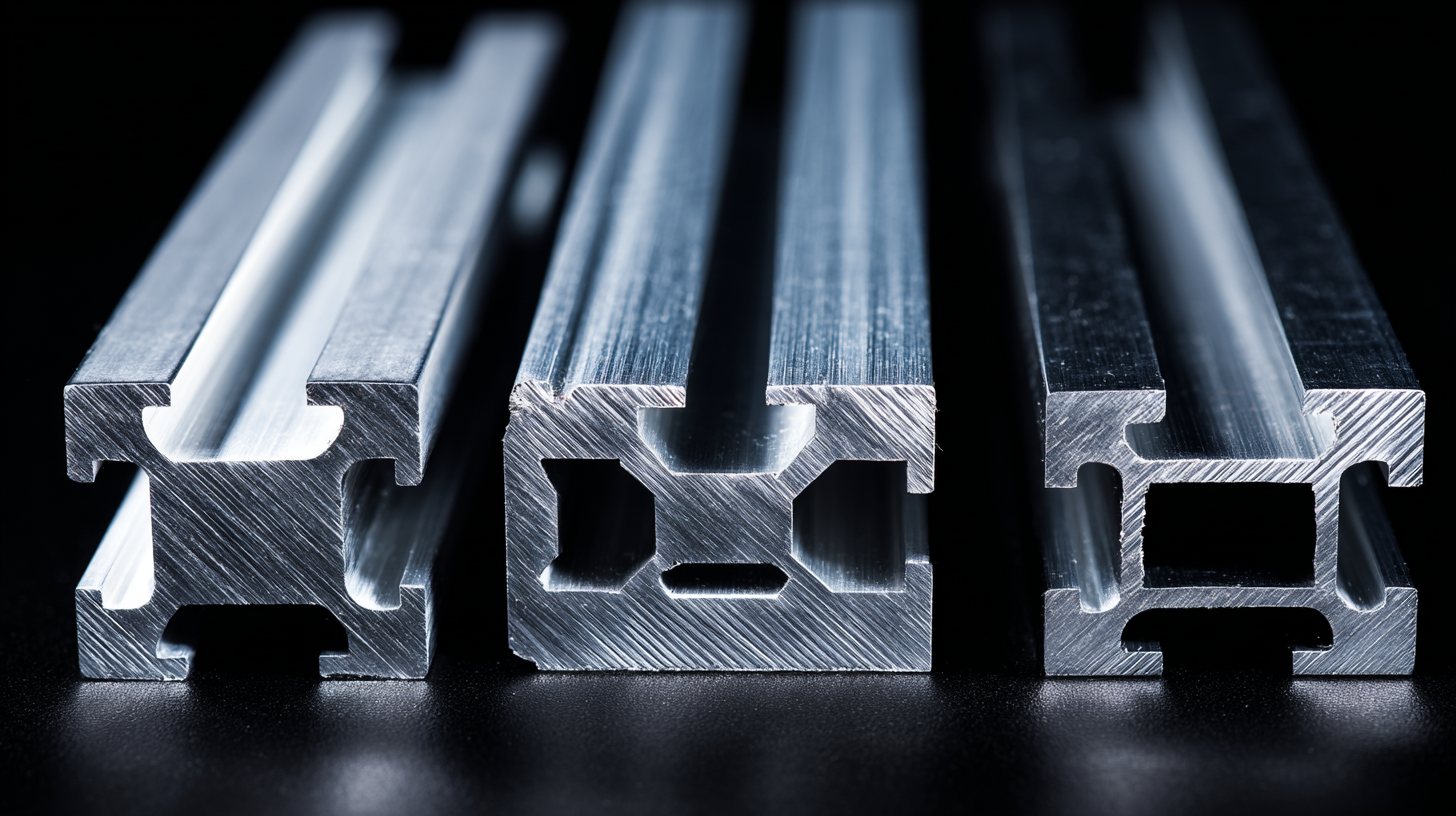
Aluminum moulding profiles are pretty crucial in a bunch of manufacturing industries, especially in automotive stuff. Lately, companies seem to be leaning more towards them because they’re lightweight but still really strong. That said, there are some real hurdles manufacturers have to deal with — things that can mess with production speed and the quality of the final product. One big issue is the inconsistency in the age of the feedstock material, which can lead to uneven results. Plus, how you control the heating and cooling during the process makes a huge difference in the mechanical properties of the profiles.
To tackle these problems, it’s a good idea for manufacturers to put solid quality control measures in place at every step. Here’s a quick tip: regularly check the quality of your feedstock materials to make sure you’re using the very best resources. Also, investing in newer manufacturing methods, like Additive Manufacturing, can really give you more flexibility and help with custom designs — making it easier to meet specific needs.
Another thing that’s tricky right now is keeping up with changing alloy compositions, especially when elements like scandium are added to boost performance. This can definitely make the alloys better, but it also means adjusting your processes. My advice? Keep an eye on the latest in material science and manufacturing tech. That way, you can keep refining your methods and stay competitive in this rapidly evolving market.
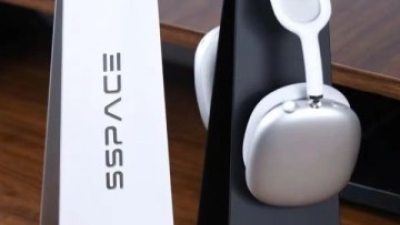
The Ultimate Guide to Elevate Your Audio Experience with Anodized Aluminum Headphone Stands
In the evolving world of audio equipment, the quality of sound is paramount, and often, the small details can make all the difference. Anodized aluminum headphone stands are not just stylish additions to your setup; they play a crucial role in enhancing your audio experience. According to a recent report from the Audio Engineering Society, maintaining the right posture for headphones can reduce listening fatigue and improve sound quality. A well-designed stand not only keeps your headphones secure but also minimizes risks of damage, thus prolonging their lifespan.
Moreover, the aesthetic appeal of anodized aluminum stands can complement any audio setup. With their sleek finishes and durable materials, they provide a modern look that resonates with audiophiles and casual listeners alike. Anodization enhances the aluminum's resistance to corrosion and wear, ensuring that your headphone stand will stand the test of time. According to a study by Consumer Electronics Association, a visually appealing setup significantly contributes to user satisfaction, leading to longer and more enjoyable listening sessions.
Investing in a high-quality headphone stand is more than just a practical decision; it is an essential part of creating the ideal environment for your audio gear. By choosing anodized aluminum, you are enhancing not only the longevity and protection of your headphones but also elevating the overall listening experience. With a variety of designs available in the market, there’s no reason not to find the perfect stand that fits your personal style while optimizing your audio experience.
: Failures can lead to increased costs and project delays, with an estimated financial impact of over $200,000 annually for mid-sized manufacturers due to wasted materials and the need for rework and additional labor.
Manufacturers should implement comprehensive training programs for proper handling and quality assurance, maintain machinery regularly, and leverage advanced technologies like predictive maintenance software to reduce defect rates.
Common limitations include difficulties in achieving intricate designs, thermal conductivity issues affecting material properties, variability in raw material quality, and the potential for defects such as warping during cooling.
Temperature fluctuations can affect the viscosity of Aluminum Alloys, leading to defects. Low temperatures can hinder material flow, while excessive heat can cause rapid oxidation, affecting finish and durability.
High humidity can introduce moisture that interferes with the adhesion of coatings, resulting in issues like peeling or discoloration, which compromises the aesthetic and functional qualities of the profiles.
Rigorous quality control measures are necessary due to potential defects and variability in raw material quality, which can complicate reliable production and ensure that products meet quality standards.
Implementing technologies such as predictive maintenance software can provide insights to preemptively address issues, reduce defect rates by up to 25%, and enhance productivity, leading to cost savings.
Over 60% of manufacturers reported limitations in achieving specific geometries, which can lead to increased lead times and costs in production.
Environmental pollutants can contribute to surface contamination, creating additional challenges in meeting quality standards and affecting the overall quality of the aluminum profiles.
Regular maintenance of machinery used in the extrusion process can significantly reduce defect rates, which in turn helps mitigate costs and improves efficiency in the production of aluminum moulding profiles.
When it comes to manufacturing, dealing with Aluminum Moulding Profiles can really throw a wrench in things — it can impact both how efficiently things run and the overall quality of the final product. Some of the main issues? Well, technical limitations are a big deal, especially when trying to keep those tight tolerances during high-volume production — it’s not always easy. And let’s not forget the costs that come with profile failures; wasted material, downtime — nobody wants that. Plus, environmental factors like changes in temperature and humidity can throw off the properties of the aluminum, leading to inconsistencies that can be a real hassle.
Quality control is always a concern, obviously. Defects can creep in and really mess with the final product’s quality. But the good news is, there are new solutions popping up all the time that help tackle these issues head-on. At Foshan Jiefeng Aluminum Industry Co., Ltd., we’re here to leverage our experience to navigate these challenges and deliver top-quality aluminum products. Whether it’s windows, doors, or custom profiles — we’re committed to making sure our customers get the best possible results, tailored just for their needs.


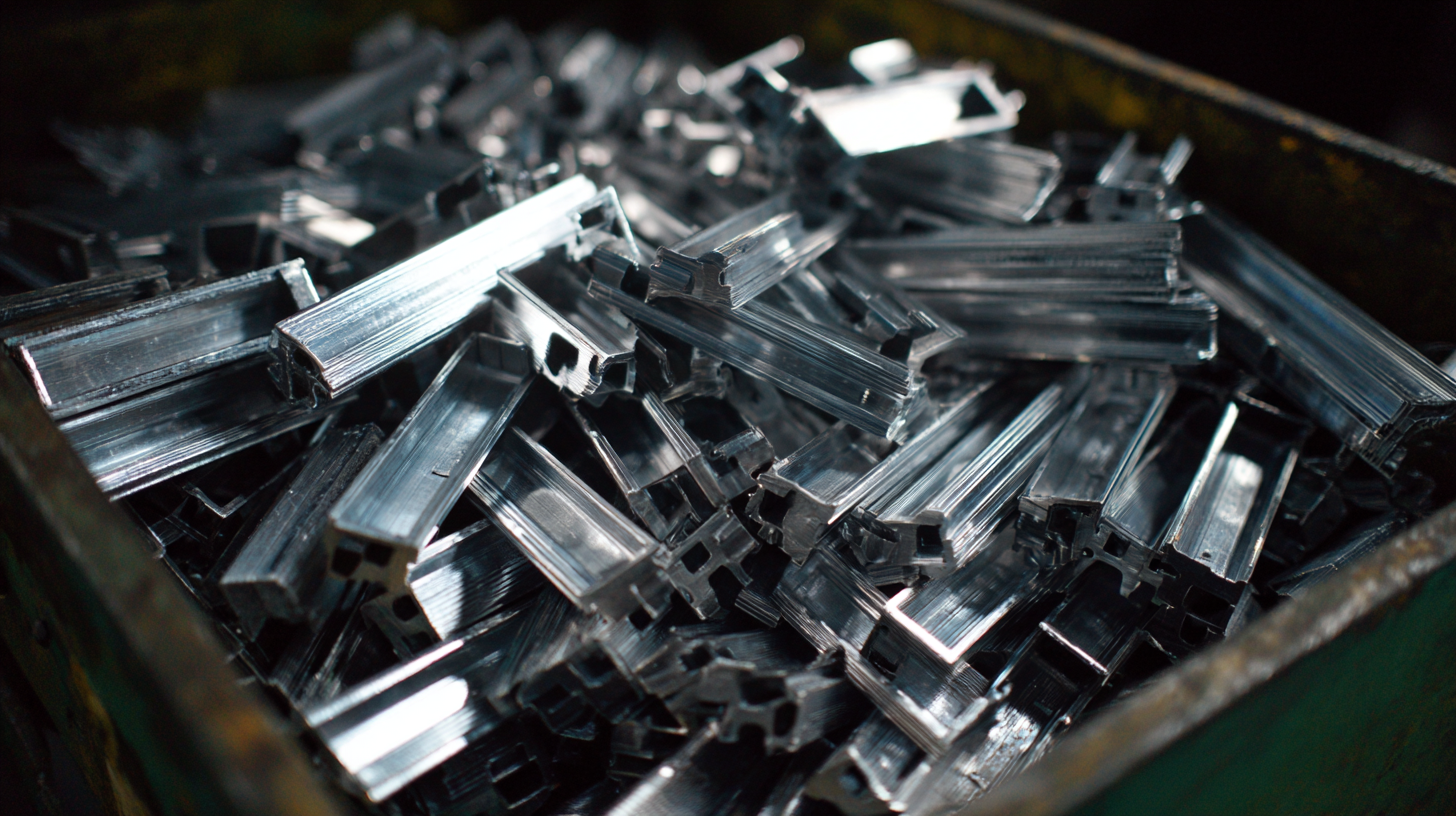
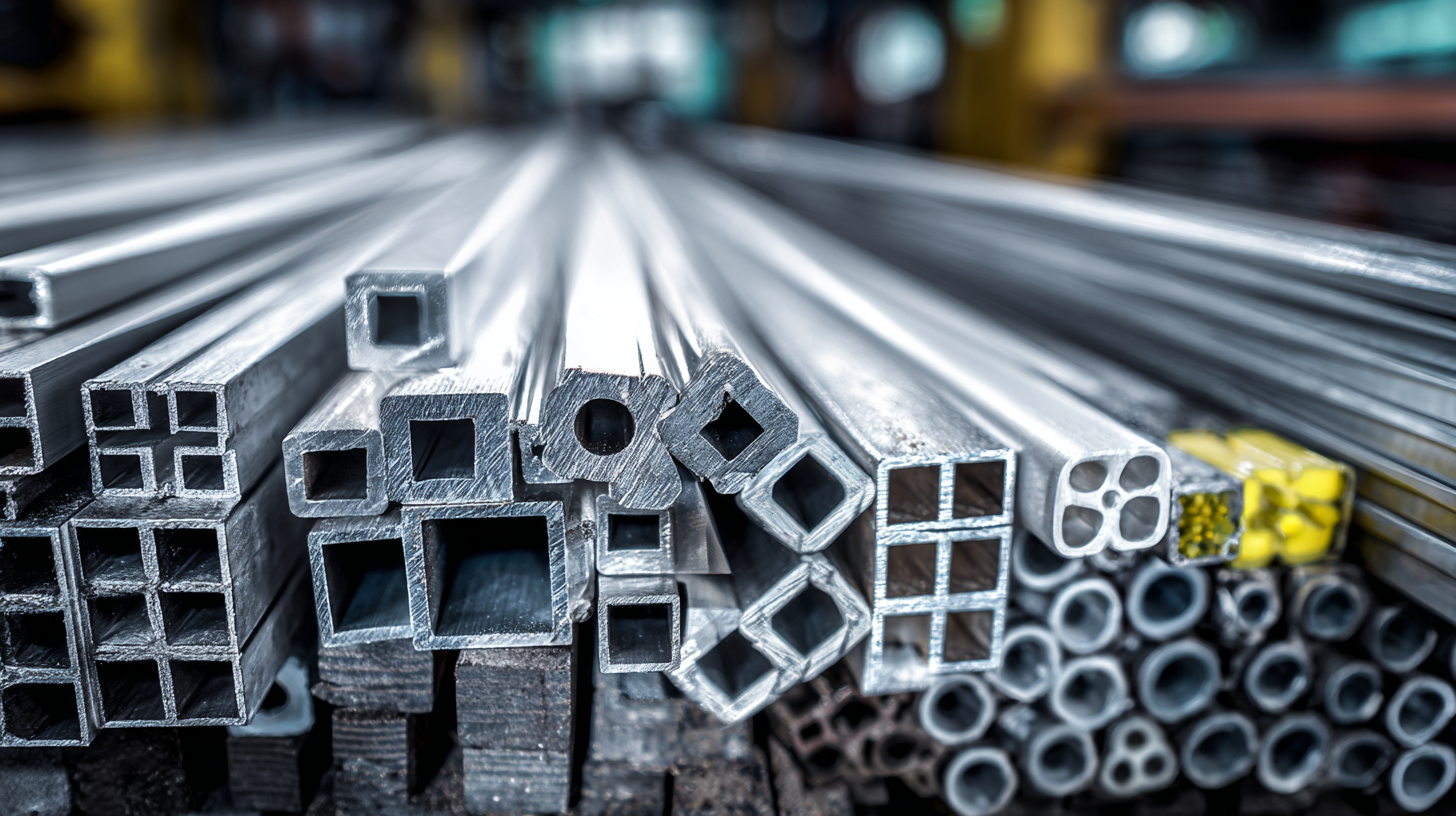 Robots handling loading and unloading not only cut down on human mistakes but also help keep the process consistent. That means better quality in the end, which we all want, right?